How Canadian Decor Stores Win Holiday Sales with AR (Augmented Reality)
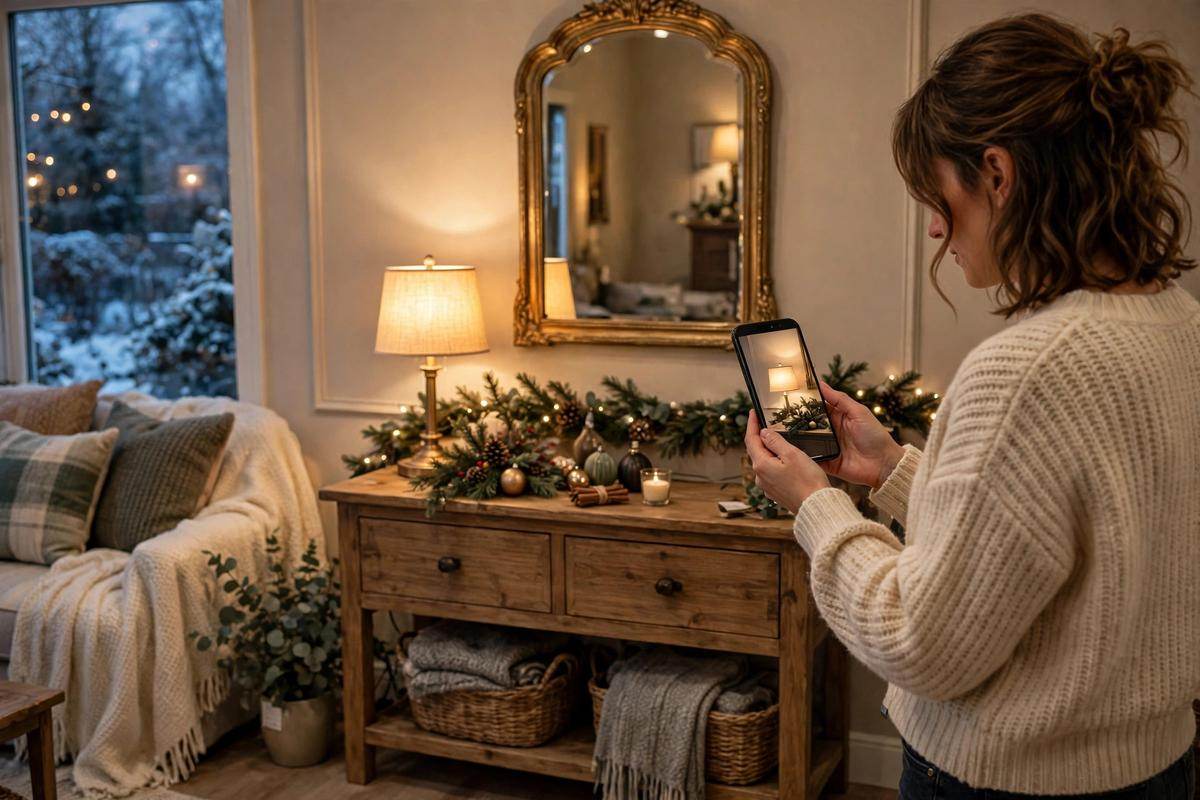
Picture a decor store owner in Toronto in late November. Her shelves are full of lamps, mirrors, vases, and wall art. The holiday rush is here. Her website traffic is up, but so are the questions. Will this lamp fit my side table. Will this mirror suit my hallway. Is this vase too tall for the mantel. Shoppers want to buy, but they cannot answer those questions from a flat photo, so they wait, or they buy and send it back.
That is the holiday problem for decor stores. The season is short. Every returned gift costs shipping twice, ties up stock, and eats the margin on the sale. AR (Augmented Reality) views fix the exact question that causes the return: what will this look like, at its true size, in my room.
Why decor gifts come back
Most decor returns are not about quality. They are about size and fit in a real room. A lamp that looked right online crowds a small side table. A mirror that looked grand in a studio photo overwhelms a narrow hallway. A vase that looked modest online turns out tall for the shelf it was bought for. The shopper did nothing wrong. They guessed, because the store gave them nothing better than a photo to guess from.
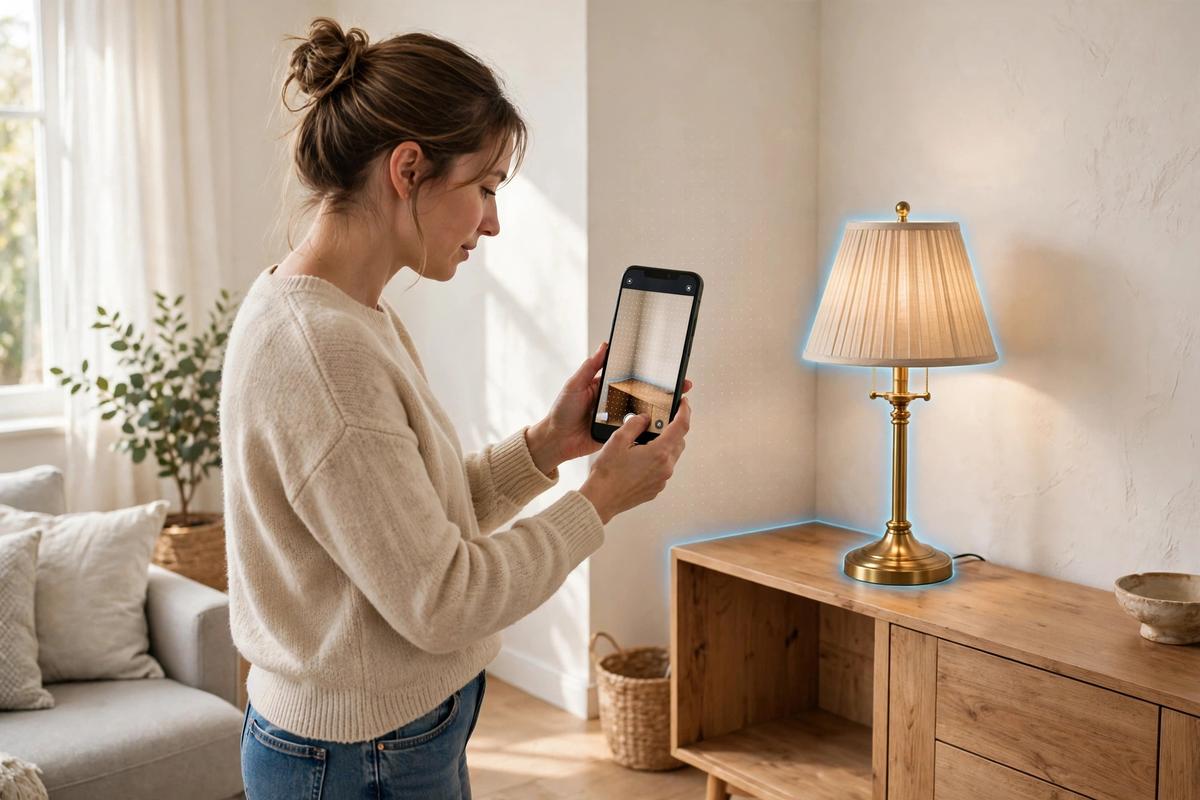
An AR (Augmented Reality) view ends the guess. The shopper taps a link on the product page, points their phone at their own room, and the piece appears at its true size. They walk around it. They check it against the table, the wall, and the shelf. The decision moves from hope to sight, and that is what keeps the gift in the home after the holidays.
The holiday window is short, and most of it is after closing
Holiday browsing peaks in the evening, when the shop is closed and the website is open. A shopper on the couch at 10pm is deciding right then. If the size question stays unanswered, the tab closes and the sale waits for another day that may never come. If the shopper can check the true size at 10pm, the order can happen at 10pm.
This is where AR (Augmented Reality) earns its keep for a small store. It works while the shop is dark. It answers the size question for every visitor, not just the ones who walk in during opening hours. A store in one city can sell with the same confidence to a shopper in another province, because both shoppers see the piece in their own room.
Start with bestsellers, not the whole catalogue
You do not need every piece live before the holidays. Start with the pieces that already sell: the lamp everyone asks about, the mirror that moves every December, the vase set that shows up in gift guides. Twenty proven pieces cover most of a stores holiday revenue, and they teach you what shoppers actually do with the views.
With ARQR360, you send photos of those bestsellers and their real listed dimensions. Our designing department produces the true to size AR (Augmented Reality) views for you, and hands you links and QR codes for each piece. The links go on the product pages. The QR codes go on the price tags in the shop, so a browsing customer can check the piece at home and come back decided. There is no app for your customers to install. The view opens in the phone browser from a link or a QR code.
Where the links go for holiday sales
- Next to the price on every product page. That is where size doubt lives. A see it at true size link beside the buy button answers the question at the moment it matters.
- On the price tags in the shop. A QR code on the tag opens the same piece in AR (Augmented Reality). Gift buyers check it at home against the room it is meant for.
- In holiday emails and social posts. The link opens on a phone, which is exactly where your shoppers browse in December.
- On gift guides and bestseller collections. The pieces people buy as gifts are the pieces most likely to come back for size reasons. Give those pages the view first.
One number worth knowing, and it is Shopify's own data, not ours: products with 3D or AR views convert about 94% better than products without. Whatever number your store gets, the mechanism is simple. Shoppers who can check the true size hesitate less, and gifts that fit stay sold.
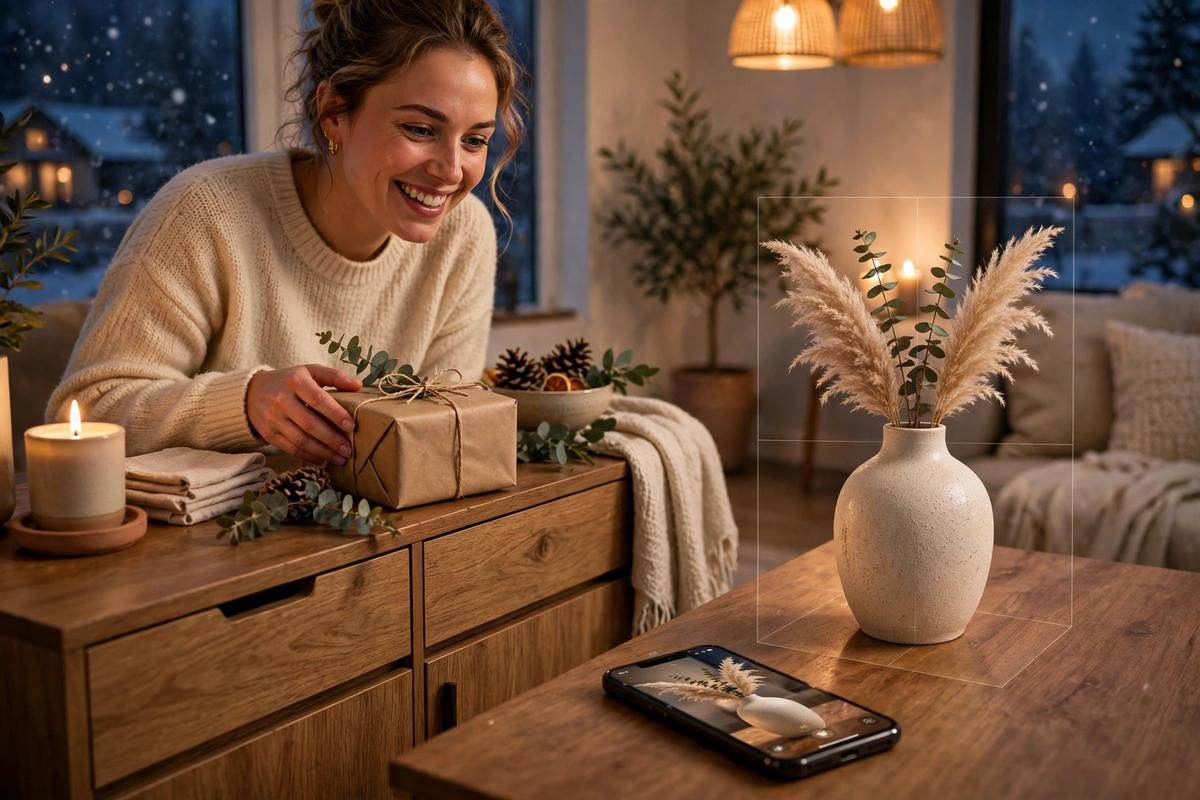
For the buying checklist behind this article, read what a Canadian decor store should look for in an AR provider. It covers true size proof, the app question, who produces the views, and the full one year price, in writing, before you sign anything.
The cheapest way to check before the holidays
You do not have to sign anything to find out if this works for your store. Send a photo of your bestselling lamp or mirror and we will build you one true to size AR (Augmented Reality) view free. Put it on your own phone, check it against the real piece, and see if your holiday shoppers would use it. If it does not convince you, you have spent nothing. Try the live decor demo first: it opens in your phone browser, no install.
FAQ
How does AR help a decor store during the holidays?
It answers the size question that causes most decor gift returns. The shopper sees the piece at its true size in their own room before they buy, so fewer gifts come back for being too big, too small, or wrong for the space. It also sells after closing, when holiday browsing peaks.
Do my customers need an app to see my decor in AR?
Not with ARQR360. Each piece gets a link and a QR code that opens the AR (Augmented Reality) view in the phone browser. Try the live decor demo on your own phone.
How much does AR cost a small Canadian decor store?
It depends on who produces the views, which is the biggest cost on most routes. ARQR360 is flat and public: $249 one time setup and $29 a month, with all AR (Augmented Reality) view production included. Custom packages are available if your store needs something beyond the standard catalogue, and our team follows up after launch to make sure the views are working where shoppers actually see them. The first test view is free.
Try it on your own product, free
Reply with a photo of your bestselling product and we will build you one true-to-size AR model free, to try on your own phone. No commitment.
Get my free model