How Canadian Furniture Stores Sell After Closing with AR (Augmented Reality)
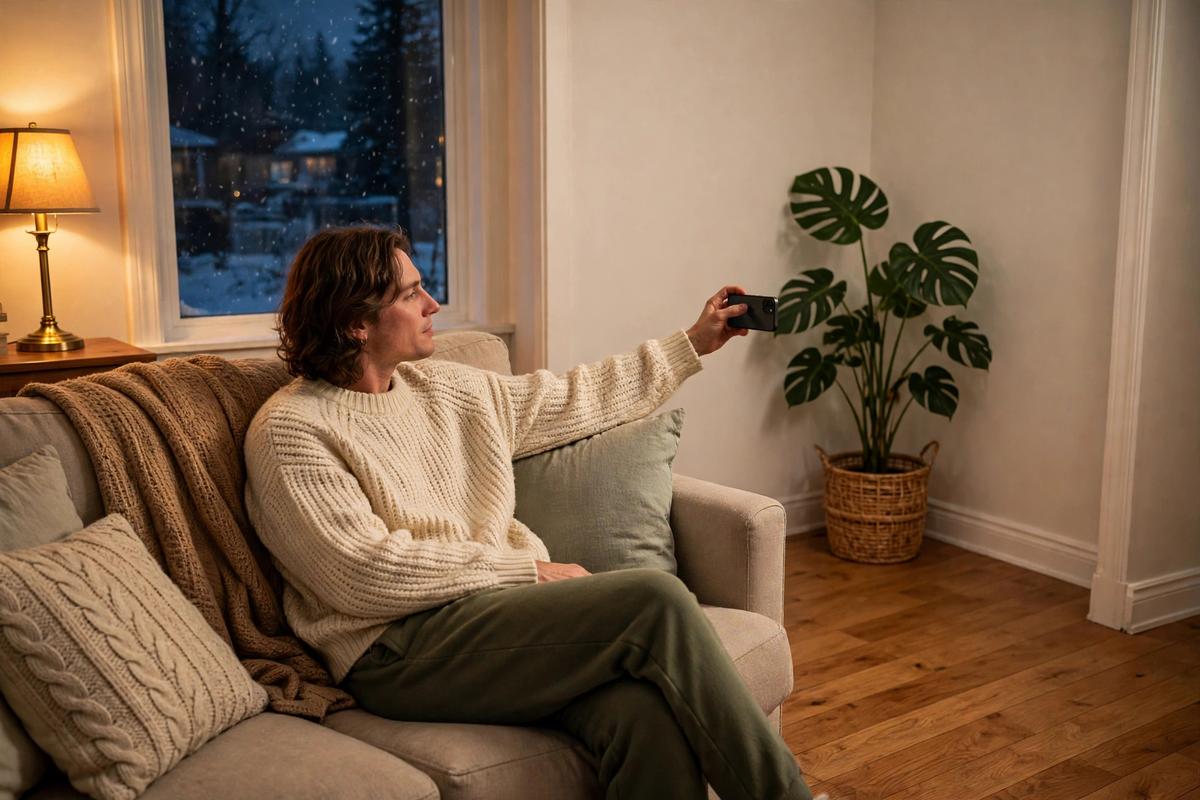
Picture a furniture store owner in Toronto. She sells sofas, dining tables and beds from one showroom and a website that ships across Ontario and beyond. Her shop closes at 6pm. Her website does not. Every evening, shoppers sit on their own couches, phones in hand, looking at her sofas. Most of them do not buy that night. They are not short of interest. They are short of confidence.
A sofa is a big purchase and a big object. A photo cannot tell a shopper if it will fit their room, suit their floor, or crowd the doorway. So they do the sensible thing. They wait. They plan to visit the showroom on Saturday. By Saturday, life gets in the way, or another store answers the question first. The evening sale quietly slips away.
Why evening shoppers hesitate
Evening is when furniture shopping actually happens. People work during the day. They browse after dinner, when the kids are in bed and the house is quiet. That is also when the showroom is dark and the sales team is home. The product page has to do the job the showroom floor used to do, and a flat photo does only half of it.
Measurements on the page do not close the gap. Most people cannot picture 210 centimetres in their own living room. They look at the numbers, look at the photo, and guess. A guess that feels wrong is enough to close the tab. The shopper does not complain. They simply never order. The store never hears about the sale it lost, because the sale never made a sound.
Distance makes it worse in Canada. A shopper in a small town hours from Toronto, or in another province entirely, cannot pop into the showroom on Saturday anyway. For them, waiting does not help. The doubt stays until they either order and hope, or give up. Many give up.
What the shopper checks at 9pm
With AR (Augmented Reality), the shopper taps a link on the product page and points their phone at their own floor. The sofa appears in their room at its true size. They walk around it. They check it against the wall, the window and the coffee table. They see the colour in their own light, next to their own floor. The guess is gone before the order is placed.
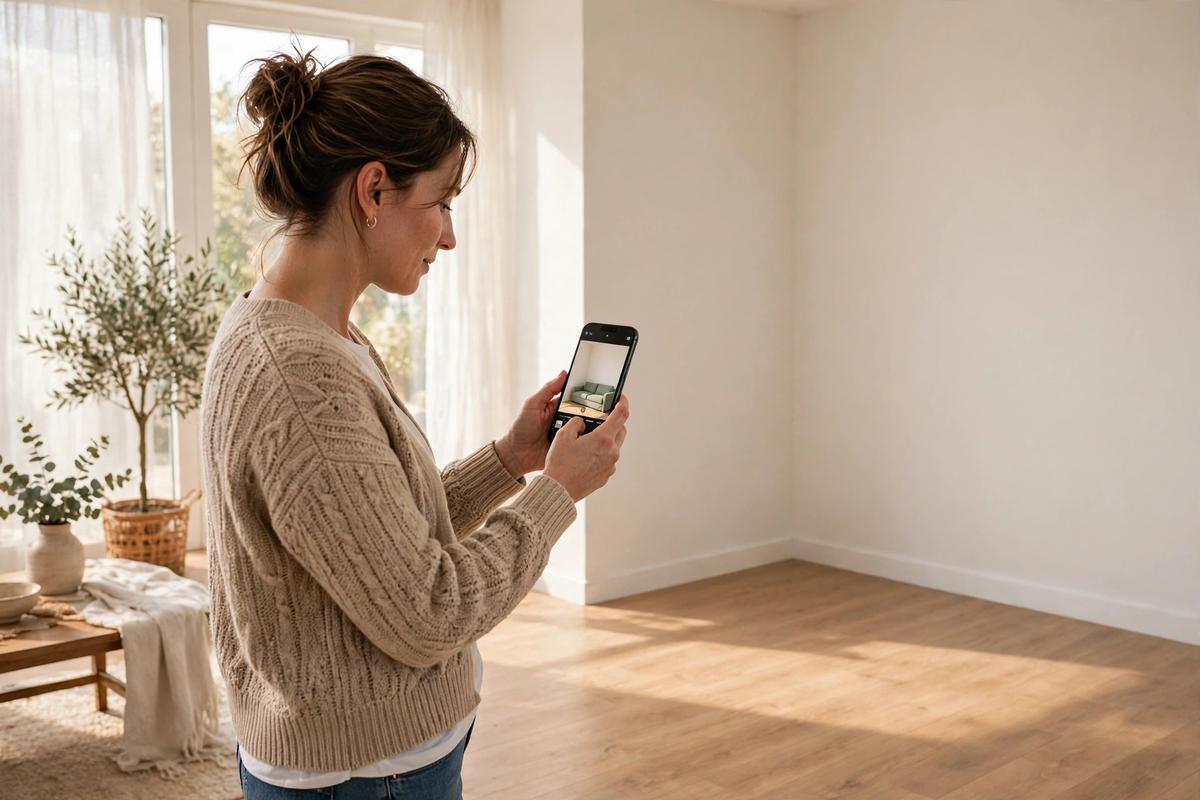
That check is what turns an evening browser into an evening buyer. A shopper who can check the size at 9pm is a shopper who can buy at 9pm. No visit needed. No phone call needed. No waiting until Saturday. The room doing the selling is theirs, and it is open all night.
One number worth knowing, and it comes from Shopify's own data, not from ARQR360. Shopify reports that products with 3D/AR views convert about 94% better than products without. The reason is plain. Shoppers who can see the true size hesitate less.
What it means for the store
First, evening sales stop leaking. The shoppers who browse after closing can finish the job the same night, while the piece is still on their mind. Second, fewer messages asking if a piece will fit, because the shopper already checked. Third, fewer size returns, because the surprises are caught before shipping, not after delivery. A sofa sent back from another province costs freight both ways and comes back shopworn. Every return like that started as a size guess the shopper had to make alone.
There is a quieter win, too. Your showroom floor holds only so many pieces. Your website holds all of them. AR (Augmented Reality) views turn every piece in your catalogue into a piece the evening shopper can try in their room, not just the ones on the floor. Your bestsellers, your slow movers, your new arrivals, all of them sell after closing.
For the distance side of the same story, read how New Zealand furniture stores sell to distant shoppers with AR.
How a store starts
You send photos of your bestselling pieces and their real listed dimensions. Our designing department builds true to size AR (Augmented Reality) views from them, hosts them, and hands you links and QR codes. The links go on your product pages. The QR codes go in the shop, on the packaging, anywhere a shopper might meet the piece. About seven days from photos to a live catalogue. No app for your shoppers, and nothing to integrate into your website.
The price is flat and public: $249 one time setup and $29 a month, with all view production included. No product cap, no per view fees. Our team also follows up after launch, so new pieces and new ranges get their views the same way, without a new project each time.
The cheapest way to check if it works for your store
You do not have to commit to anything to find out. Send a photo of your bestselling sofa or dining table and we will build you one true to size AR (Augmented Reality) view free. Put it on your own phone, check it against the real piece, and see if your evening shoppers would use it. If it does not convince you, you have spent nothing. Try the live furniture demo first: it opens in your phone browser, no install.
FAQ
Do my shoppers need an app to buy after closing?
No. Each piece gets a link and a QR code that opens the AR (Augmented Reality) view in the phone browser. Try the live furniture demo on your own phone.
How long before my pieces are live?
About seven days from your photos arriving. Bestsellers first is the sensible start, then the rest of the catalogue follows.
What does AR cost a small furniture store?
ARQR360 is flat and public: $249 one time setup and $29 a month, with all AR (Augmented Reality) view production included. The first test view is free.
Try it on your own product, free
Reply with a photo of your bestselling product and we will build you one true-to-size AR model free, to try on your own phone. No commitment.
Get my free model