How New Zealand Furniture Stores Sell to Distant Shoppers with AR (Augmented Reality)
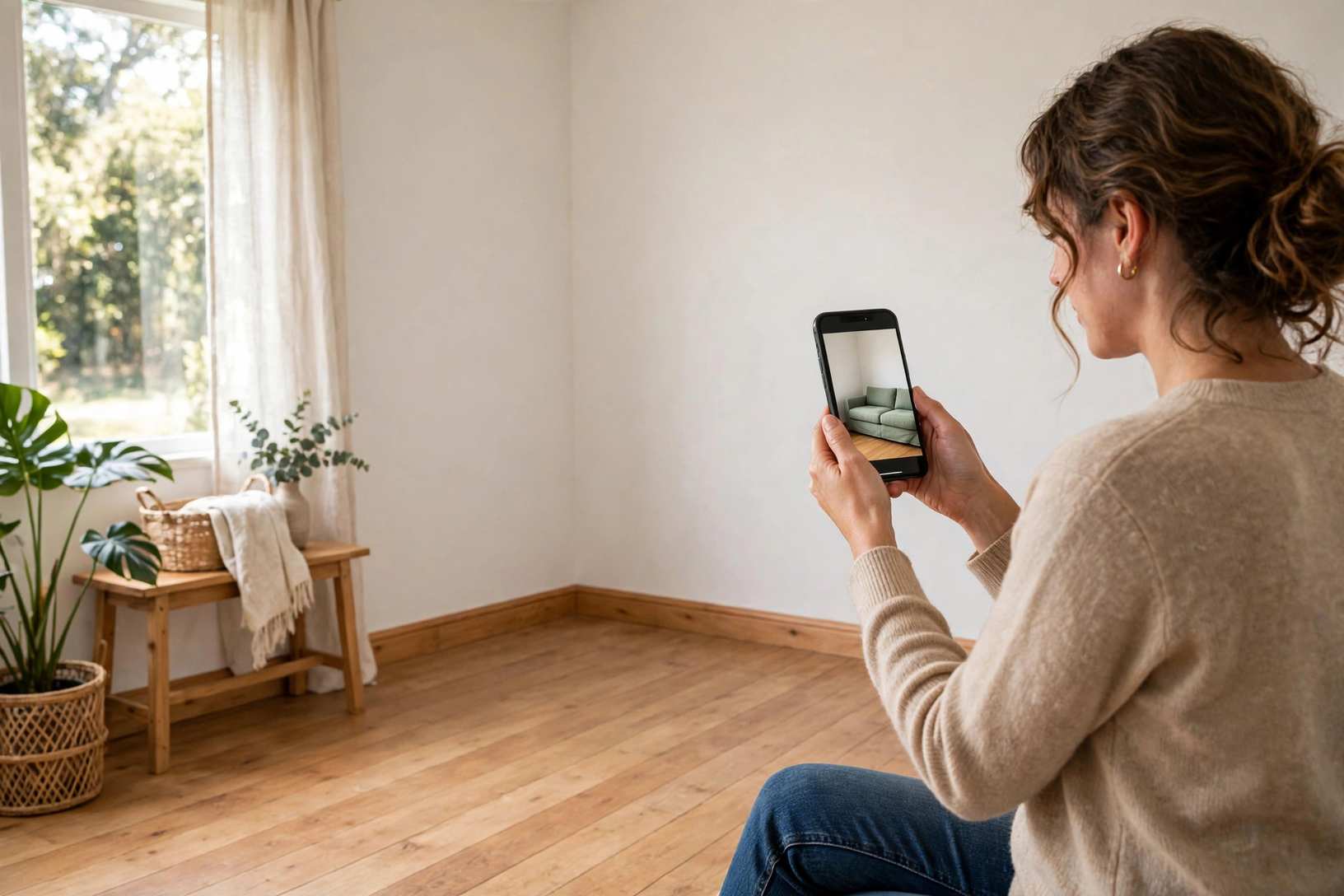
Picture a furniture store owner in Christchurch. She sells sofas, dining tables and beds from one showroom, and her website reaches the whole country. A shopper in Dunedin likes a three seat sofa. The photos look good. The measurements are on the page. Still, the shopper hesitates. She cannot tell if the sofa will fit her living room, or if it will crowd the doorway. So she closes the tab, and the sale never happens.
Distance is the problem. The shopper cannot walk into the showroom, sit on the sofa, or pace out the space it will take. AR (Augmented Reality) closes that gap. It puts the piece in the shopper's own room, at its true size, through a link on their phone. No visit needed. No app to download.
Why distant shoppers hesitate
A furniture purchase is a size decision before it is a style decision. A sofa that is ten centimetres too long ruins a room. A dining table that blocks a walkway gets returned. Photos cannot answer the size question, and a tape measure on a product page asks the shopper to do the imagining themselves. Most shoppers will not bother. They move on to a store they can visit, or they buy nothing at all.
This hits New Zealand stores harder than most. Customers are spread across two islands, and a showroom in Auckland or Wellington may be a full day of travel from the shopper. The store that answers the size question from a distance wins the order. The store that cannot, loses it to a nearer shop, even when its furniture is better.
What the shopper sees
The shopper taps a link on the product page. Their phone camera opens. They point it at the corner where the sofa would go, and the piece appears there at its true size. They walk around it. They check it against the wall, the window and the coffee table. They see whether the armchair leaves room for the door to open. That is the whole experience, and it takes seconds.
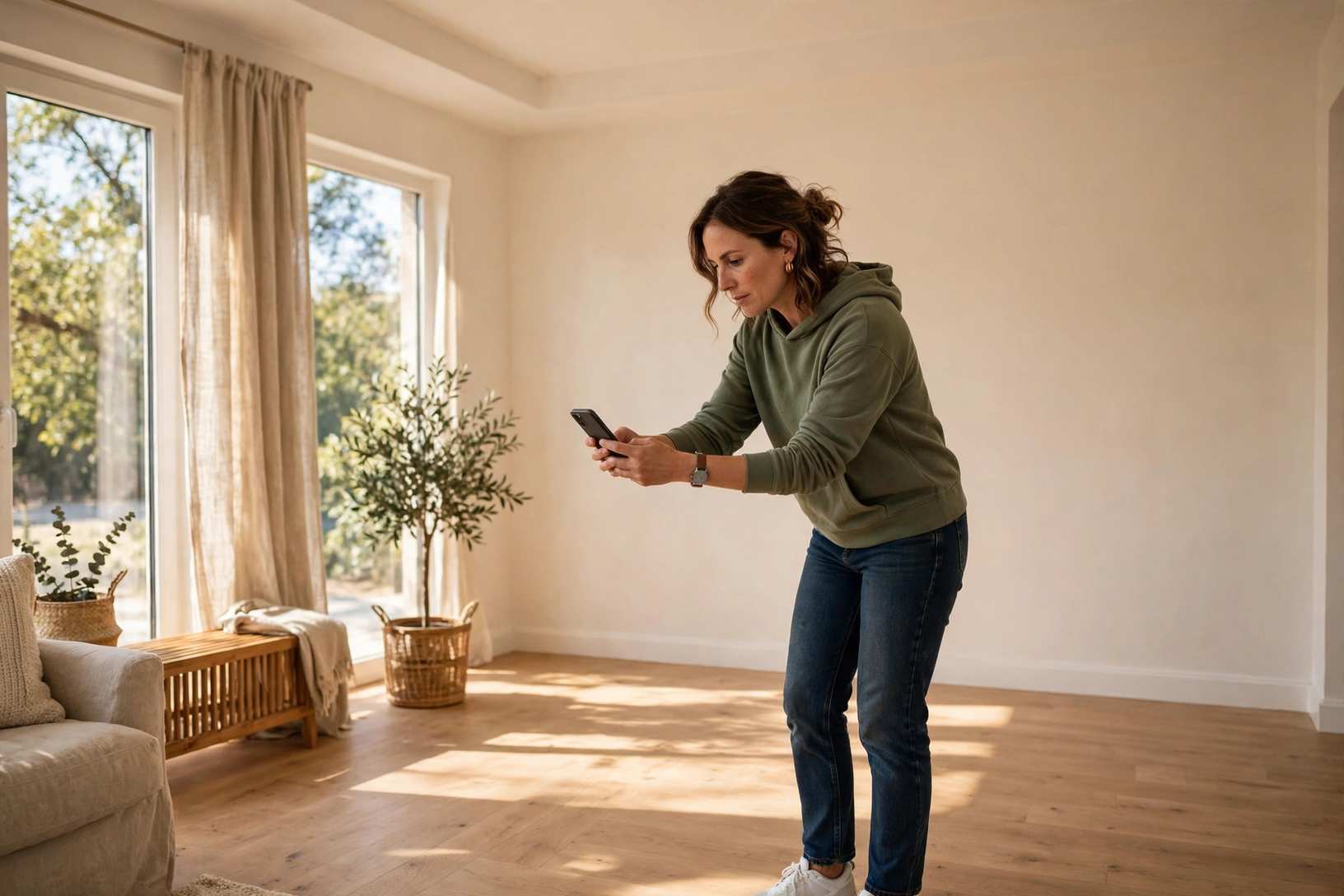
Nothing is installed. The view opens in the phone browser, from a link or a QR code. A shopper who had to download an app would mostly give up before the first step. A link gets used.
What it means for a small store
First, the store stops losing distant orders to doubt. A shopper in Invercargill gets the same confidence as a shopper who walked into the Christchurch showroom. Second, the store sells after closing. Browsing peaks in the evening, when the shop is shut and the website is open. A shopper who can check the size at 10pm is a shopper who can buy at 10pm.
Third, the store does not need a bigger showroom to sell a bigger range. Every piece in the catalogue gets a link, including the stock that never makes it onto the floor. Twenty proven bestsellers, live first, will teach a store more about what its customers do with AR (Augmented Reality) than a whole catalogue launched at once.
Put the link where the buying decision happens: next to the price on every product page. Put QR codes on the price tags in the shop too, so a browsing customer can check the piece at home and come back decided. For the after hours side of the same story, read how Australian furniture stores sell after closing with AR.
How a store gets started
You send photos of your bestselling pieces and their real listed dimensions. Our talented designing department produces the true-to-size AR (Augmented Reality) views for you, hosts them, and hands you links and QR codes. About seven days from photos to a live catalogue. There is nothing to integrate and nothing to maintain, and our team follows up after launch to make sure the views are working where shoppers actually see them. Custom packages are available if your store needs something beyond the standard catalogue.
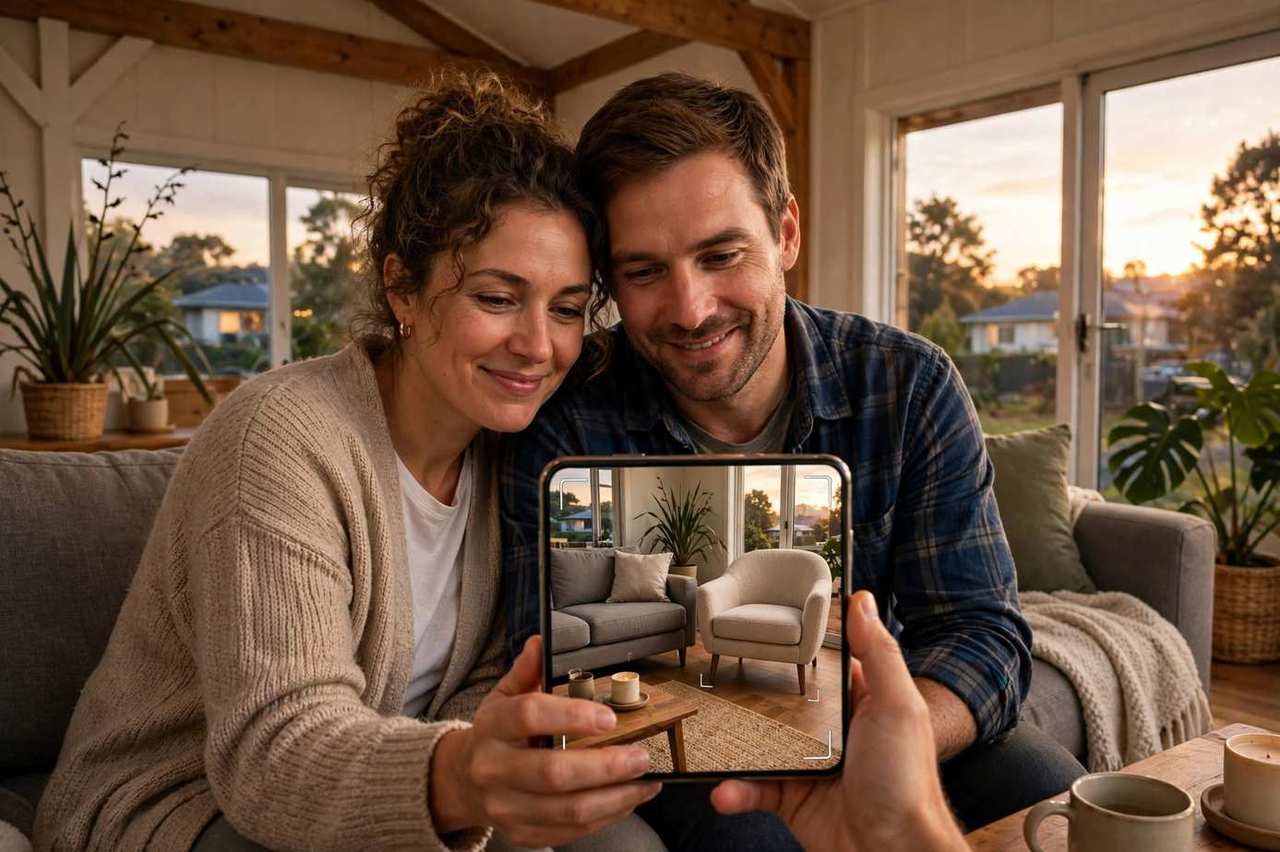
One number worth knowing, and it is Shopify's own data, not ours: products with 3D or AR views convert about 94% better than products without. Shoppers who can check the true size hesitate less, and distant shoppers hesitate most of all.
The cheapest way to check if it works for your store
You do not have to commit to anything to find out. Send a photo of your bestselling sofa or dining table and we will build you one true-to-size AR (Augmented Reality) view free. Put it on your own phone, check it against the real piece, and see if your distant customers would use it. If it does not convince you, you have spent nothing. Try the live furniture demo first: it opens in your phone browser, no install.
FAQ
Do my distant customers need an app to see my furniture in AR?
No. Each piece gets a link and a QR code that opens the AR (Augmented Reality) view in the phone browser. Try the live furniture demo on your own phone. A shopper hundreds of kilometres away uses the same link as a shopper across the street.
How long before my furniture is live for distant shoppers?
With ARQR360, about seven days from your photos arriving. Start with your bestsellers, so the pieces that earn most of your revenue are the first ones distant shoppers can check at true size.
What does AR cost a small New Zealand furniture store?
ARQR360 is flat and public: $249 one-time setup and $29 a month, with all AR (Augmented Reality) view production included. The first test view is free, so you can check the quality against a real piece before spending anything.
Try it on your own product, free
Reply with a photo of your bestselling product and we will build you one true-to-size AR model free, to try on your own phone. No commitment.
Get my free model