What New Zealand Decor Stores Should Look For in an AR (Augmented Reality) Provider

Picture a decor store owner in Auckland. She sells mirrors, wall art, vases and lamps from one shop and a website that ships to both islands, to shoppers in Wellington, Christchurch, Hamilton and Dunedin. She is ready to put AR (Augmented Reality) on her product pages, and three vendors have sent her quotes. The quotes do not look like they describe the same product. Here is the checklist that cuts through them.
It comes down to five questions. Who produces the views. Whether the shopper needs an app. How true size and true colour are proven. What the real price is for one year. And what happens after launch. Ask all five in writing before you sign anything.
1. Who produces the views, and from what
Start here, because everything else follows. Ask the vendor a plain question: who makes the AR views of my pieces, and what do they start from?
On some routes, you supply the files yourself. The vendor sells a viewer, you commission the files from artists at roughly $100 to $500 per product, and you manage the whole pipeline. For a 60 piece catalogue, that bill is the project, not the software.
On the done for you route, you send photos and your real listed dimensions, and the vendor produces the true size AR (Augmented Reality) views. ARQR360 works this way. Our designing department produces the views for you, from your photos, with new season stock handled the same way. When you compare quotes, compare the full job: views plus viewer plus hosting, not the monthly fee alone.
2. Does the shopper need an app
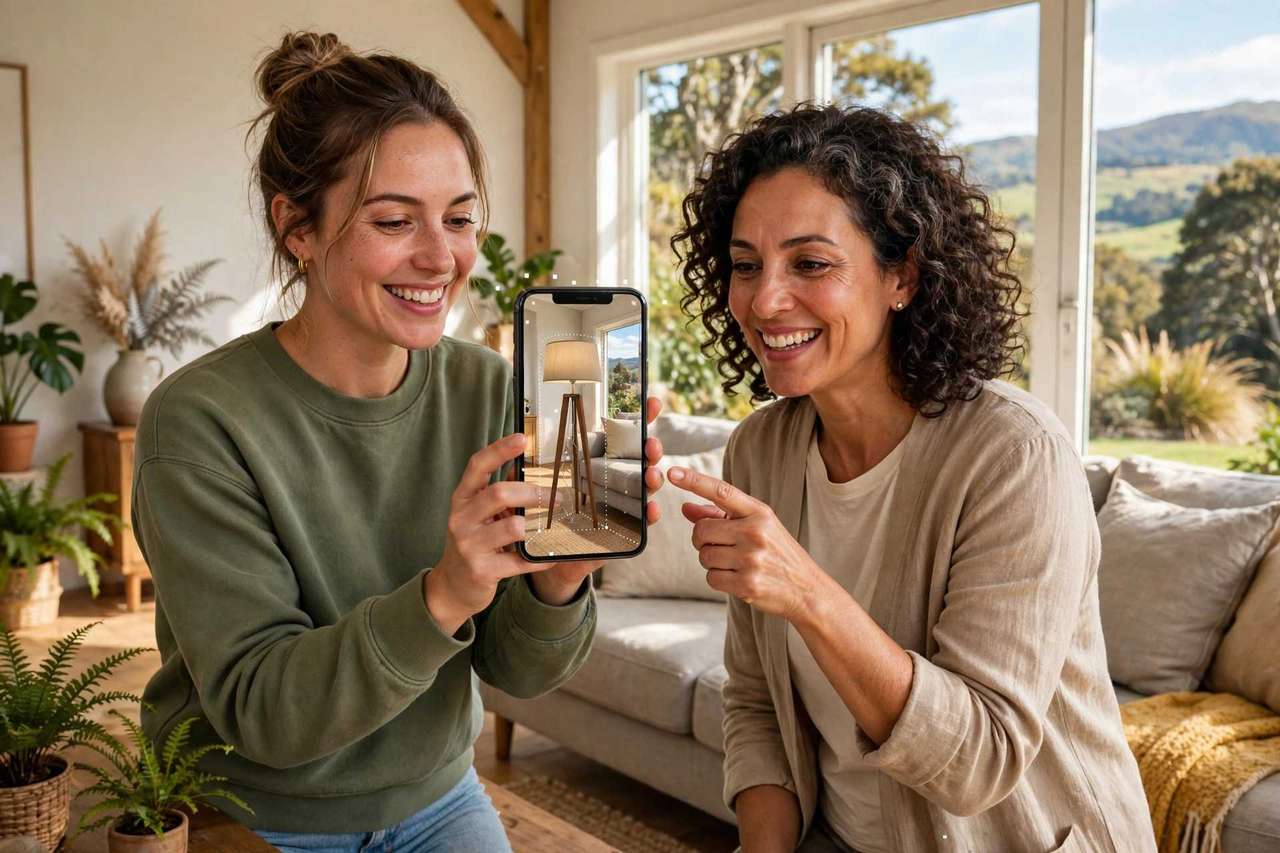
This is the question that decides whether anyone actually uses the AR. If the shopper has to install an app to see your mirror on her wall, most of your customers will never get there. People do not install apps to check a lamp.
The version that gets used opens in the phone browser, from a link or a QR code. No install, no account, no wait. Ask the vendor to show you the exact tap path a shopper takes, on a real phone, on a slow connection. If it takes more than a few seconds from product page to AR view, shoppers drop off, and your returns problem stays exactly where it was.
With ARQR360, each piece gets a link and a QR code that opens the AR (Augmented Reality) view in the phone browser. Put the QR code on the price tag, on the packaging, on your social posts, anywhere. Your buyer scans it and sees the piece in their own room, real size.
3. How true size and true colour are proven
A view that is roughly the right size is worse than no view at all, because the shopper trusts it and then the piece arrives wrong. Ask the vendor how they prove true size. A serious answer names a process: every view checked against the real listed dimensions of the piece, and the colours matched to the real piece, not to a guess. A vague answer is a warning.
Colour matters as much as size for decor. A vase that looks warm cream in the shop photo can look cold grey on the customer's wall, and a mirror frame that reads walnut online can arrive looking like dark oak. The shopper needs to check the piece against her own wall, her own sofa, her own light, before she orders. That check is the whole point of AR for a decor store. For the returns side of the same problem, read how New Zealand decor stores cut returns with AR.
Shopify reports that products with 3D or AR views convert about 94% better than products without. That is Shopify's own data, not ours. The reason is simple. Shoppers who can check the true size and colour hesitate less, and shoppers who hesitate less buy more.
4. What the real price is for one year
The monthly fee is usually the smallest line. Ask what one year really costs, in writing, for your full catalogue. Count the setup fee, the monthly fee, the per product charges, the per view charges, and the cost of adding new stock through the year. A quote that looks cheap per month can cost more than a flat quote once the catalogue grows.
ARQR360 is flat and public: $249 one-time setup and $29 a month, with all AR (Augmented Reality) view production included. No product cap, no per-view fees. Custom packages are available if your store needs something beyond the standard catalogue, and our team follows up after launch to make sure the views are working where shoppers actually see them.
5. What happens after launch
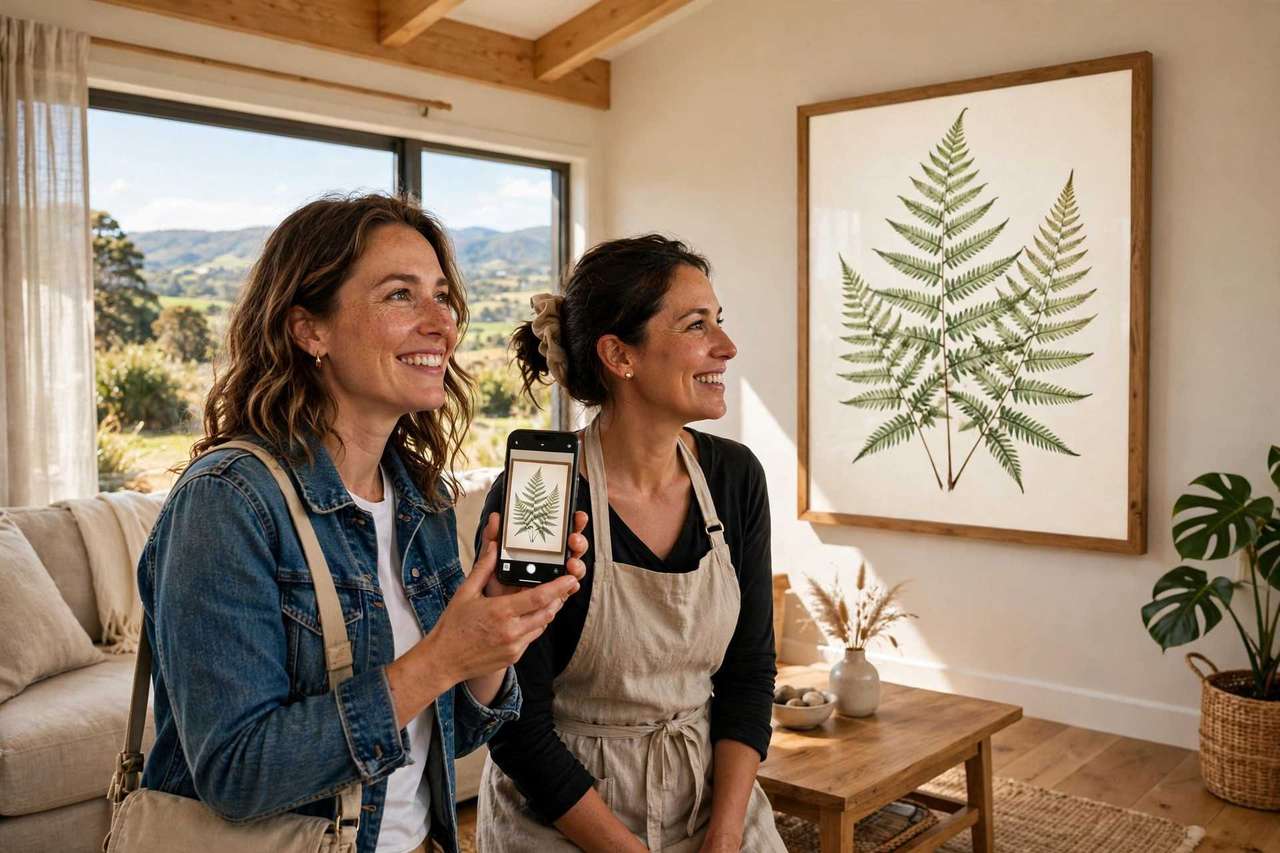
AR is not a one off purchase. New stock arrives, seasons change, and a piece that sold out gets replaced. Ask who adds the new pieces, how fast, and what it costs. If every new piece means a new invoice and a new wait, your catalogue falls behind your shop within a month.
Ask also who answers when a view stops working. A provider with a designing department that follows up after launch is a different purchase from a viewer you are left to run alone. At ARQR360, new season stock goes through the same route as the first catalogue: photos in, true-to-size AR (Augmented Reality) views out, about seven days from photos to a live catalogue. For what happens when shoppers browse without buying, read how NZ decor stores turn browsers into buyers with AR.
The cheapest way to check if AR works for your store
You do not have to sign anything to find out. Send a photo of your bestselling piece and we will build you one true-to-size AR (Augmented Reality) view free. Put it on your own phone, check it against the real piece, and see if your customers would use it. If it does not convince you, you have spent nothing. Try the live decor demo first: it opens in your phone browser, no install.
FAQ
What should I ask an AR provider first?
Who produces the views, and from what. If you have to supply the files yourself, the real cost is the artist bill per product, not the monthly fee. With ARQR360 you send photos and your real listed dimensions, and our designing department builds the true-to-size AR (Augmented Reality) views for you.
Do my customers need an app to see my decor in AR?
Not with ARQR360. Each piece gets a link and a QR code that opens the AR view in the phone browser. No install, no account, no wait. Try it on the live decor demo with your own phone.
How long before my decor is live in AR?
With ARQR360, about seven days from your photos arriving. Send photos of your bestselling pieces and their real listed dimensions, and our designing department builds the true-to-size AR (Augmented Reality) views. The first test view is free.
Try it on your own product, free
Reply with a photo of your bestselling product and we will build you one true-to-size AR model free, to try on your own phone. No commitment.
Get my free model