What Does AR Really Cost a Small Decor Store? The Honest Breakdown
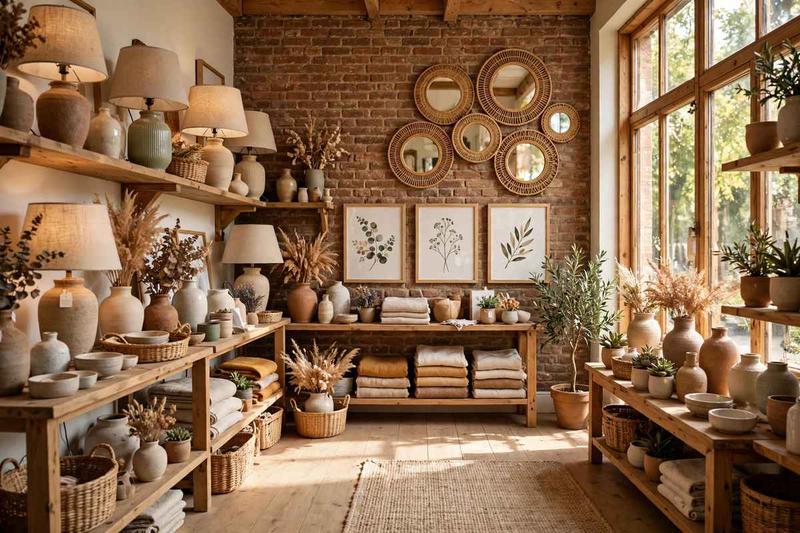
Picture a decor store owner in Manchester. She sells table lamps, mirrors, wall art, and vases from one shop and a website. Customers keep asking the same questions. "Will this lamp look right on my side table?" "Is this mirror too wide for my mantel?" She knows the answer is AR (Augmented Reality). Let the customer point their phone at their own room and see the piece in place. So she starts pricing it. An hour later she is more confused than when she started.
That is because AR pricing for stores is confusing on purpose. The monthly fee on the pricing page is only half the bill. Here is the honest breakdown, route by route, for a small decor store.
The cost nobody puts on the pricing page
Every AR viewer needs one thing: a true-to-size 3D model of each product. The software shows the model. The model is what the customer sees. And on most routes, you supply the models yourself.
Commissioned from 3D artists, a single product model typically costs roughly $100 to $500, depending on how detailed the piece is. A decor store with 200 products is looking at 200 models. That bill arrives before the first customer ever opens the viewer. Keep that number in your head for everything that follows.
Route 1: Shopify AR viewer apps
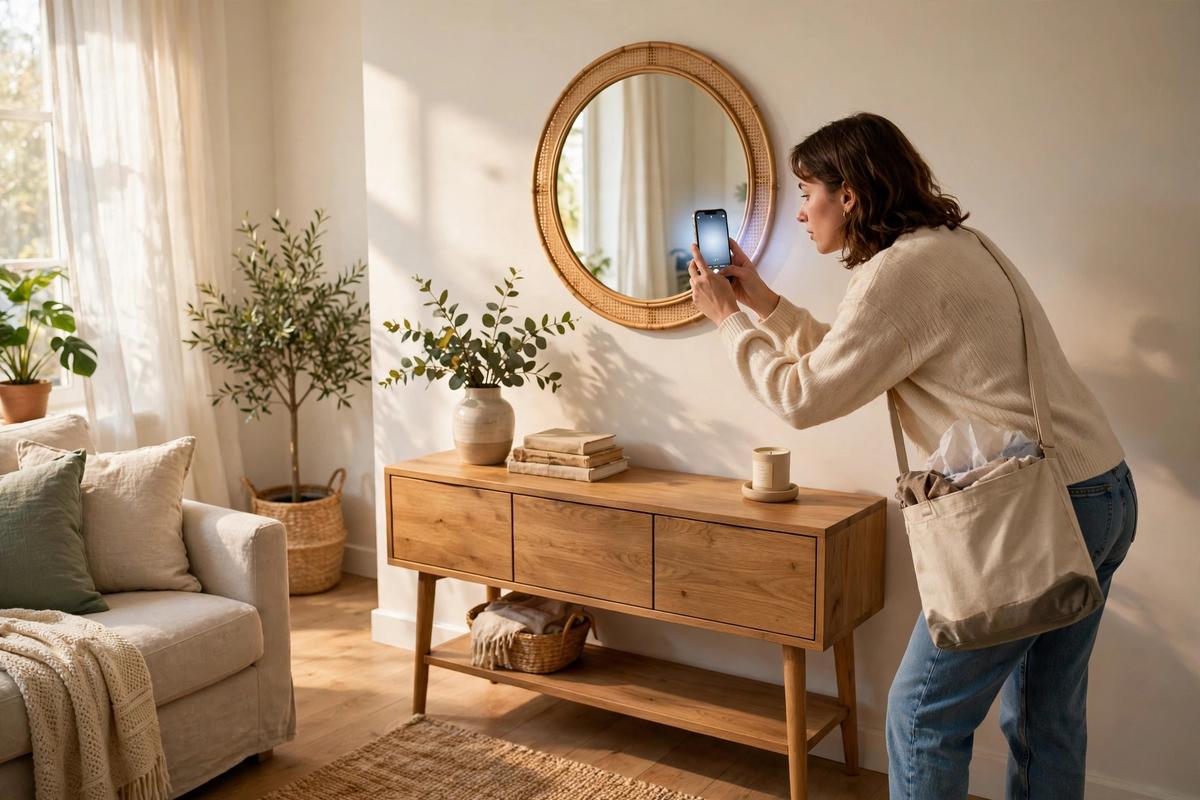
If you sell on Shopify, apps on the app store add a 3D viewer to your product pages. Public listings put pricing around free to roughly $36 a month, depending on how many products you publish. Cheap, simple, no project involved.
The catch is the models. These apps are viewers only. You supply every 3D model yourself, which brings back the $100 to $500 per product bill. For 200 decor items, the models are the project. The subscription is a footnote.
Route 2: self-serve AR platforms
Platforms like Augment sell you the software and a designer community. You manage the project: products go to designers, models come back, you place the viewer on your site. Pricing is quote-based, so get it in writing. Augment's retail AR also runs through mobile apps, which means you are asking customers to install something to look at a lamp. Most will not.
With a customizer platform like Zakeke, the public tiers run about $19.90 a month for up to 10 products, $49.90 for up to 50, and $129.90 for up to 100, checked October 2026. The tiers cap the number of products, so a 200-item decor store needs a custom plan. And the subscription buys the software, not the models. You still supply every 3D model yourself.
Route 3: agencies and per-model services
Some companies build the 3D models and host the AR for you. Seek is the well-known example. Their CEO described the pricing plainly in a podcast interview: you pay per model for creation, roughly a couple hundred dollars a model depending on complexity, plus a hosting fee that scales with your catalogue. For 200 decor pieces, do the multiplication. This route is honest about what it costs, and it costs what enterprise budgets are built for.
Route 4: done-for-you AR services
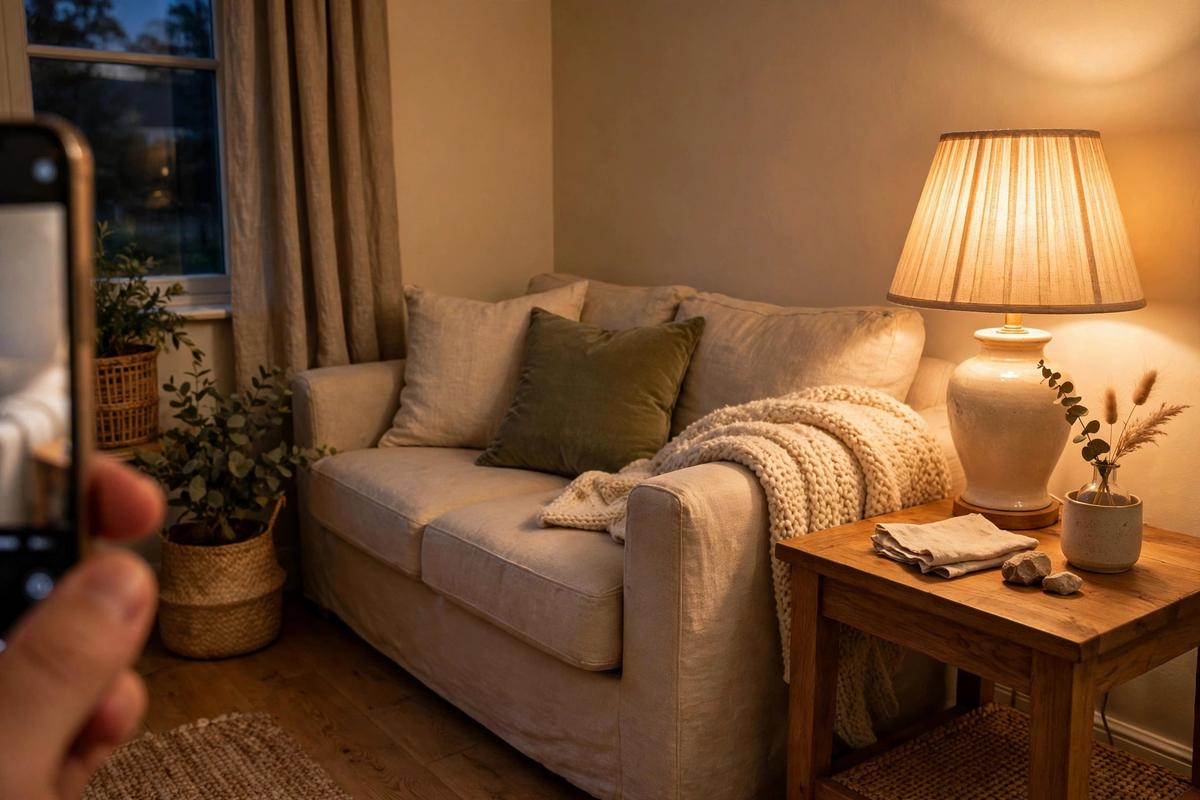
You send photos and real dimensions of your products, bestsellers first. Someone else builds the true-to-size AR (Augmented Reality) views and hands you links and QR codes that open in the phone browser. ARQR360 works this way. No app for your customers. No modelling work on your side. About seven days from photos to a live catalogue.
The price is flat and public: $249 one-time setup and $29 a month. The AR (Augmented Reality) views are included. No product cap, no per-model fees, no per-view fees. Your whole catalogue gets built, and new stock gets built the same way when your range changes.
Putting the routes side by side
For a 200-item decor store, the honest first-year picture looks like this. Viewer apps: a few hundred dollars in subscriptions, plus tens of thousands in models you commission yourself. Customizer platforms: a few thousand in subscriptions on a custom plan, plus the same model bill. Per-model services: a few hundred per model times 200, plus hosting. Done-for-you AR: $249 plus $29 a month, views included.
The pattern is simple. On every route except the last, the software is the cheap part and the models are the bill. Price the models, not the subscription.
One more number, and it is Shopify's own data, not ours: products with 3D or AR views convert about 94% better than products without. Whichever route you take, a true-to-size view beats a flat photo.
For a broader tour of the options, read the best AR options for home decor stores. The same math for rugs lives in our pricing breakdown for rug stores.
The cheapest way to check if it pays for your store
You do not have to take any pricing page at its word. Send a photo of your bestselling lamp or mirror and we will build you one true-to-size AR (Augmented Reality) view free. Put it on your own phone, check it against the real piece, and decide with the thing in front of you. If it does not convince you, you have spent nothing. Try the live decor demo first: it opens in your phone browser, no install.
Cost is only half the decision. The other half is what the views do to your return rate, which is where the money comes back. That side is covered in how decor stores use AR to cut returns.
FAQ
What is the biggest hidden cost of AR for a decor store?
The 3D models. Viewer apps and platforms sell software. You supply the models, commissioned at roughly $100 to $500 per product. On most routes the models cost more than the software for years.
Do my customers need to download an app?
Not with ARQR360. Each product gets a link and a QR code that opens the true-to-size AR (Augmented Reality) view in the phone browser. Try the live decor demo on your own phone. Some platforms run their AR inside mobile apps, so ask before you sign.
How much does ARQR360 cost a small decor store?
$249 one-time setup and $29 a month, with all AR (Augmented Reality) views included. The first test model is free.
Try it on your own product, free
Reply with a photo of your bestselling product and we will build you one true-to-size AR model free, to try on your own phone. No commitment.
Get my free model