How Australian Shoe Stores Sell Summer Stock with True-to-Size AR Try-On
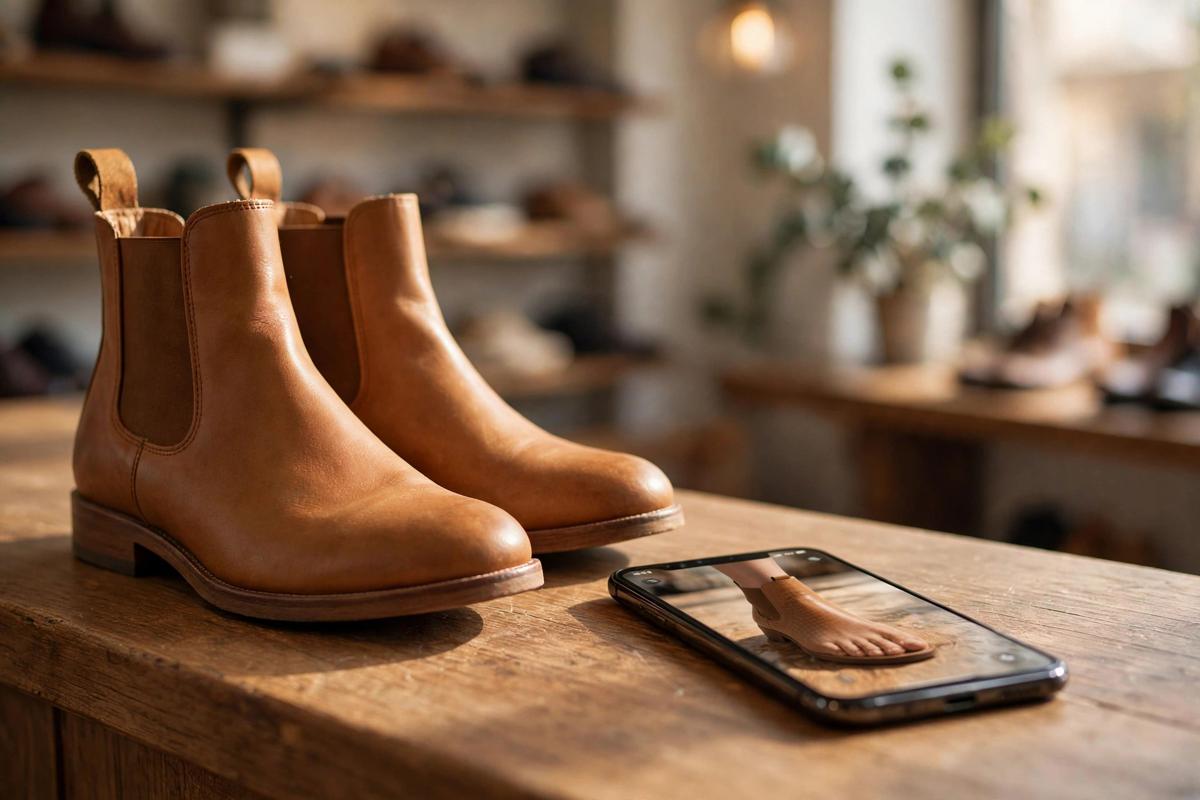
Picture a shoe store owner in Melbourne. Her summer range lands in November: white sneakers, leather sandals, canvas slip-ons. Half her sales now come from her website, and sizes vary across brands. A 39 in one brand is a 40 in another. Her customers guess. The guesses become returns, and the returns eat her margin.
This is the honest version.
Summer shoes are the hardest sell on a screen
Winter boots are forgiving. Thick socks, roomy soles, a little space. Summer shoes are not. A sandal that is half a size off rubs. A sneaker that is half a size off blisters. And sizing is the least standardized thing in footwear. One brand's 39 measures 24.5 cm, another's 24.9. The size guide on the product page lists one set of numbers. The customer's feet do not read size guides.
So shoppers do the rational thing. They order two sizes and return one. Some stores call this bracketing. Whatever you call it, you pay the shipping both ways, and you inspect and restock a shoe someone has already walked in.
What true-to-size AR try-on changes
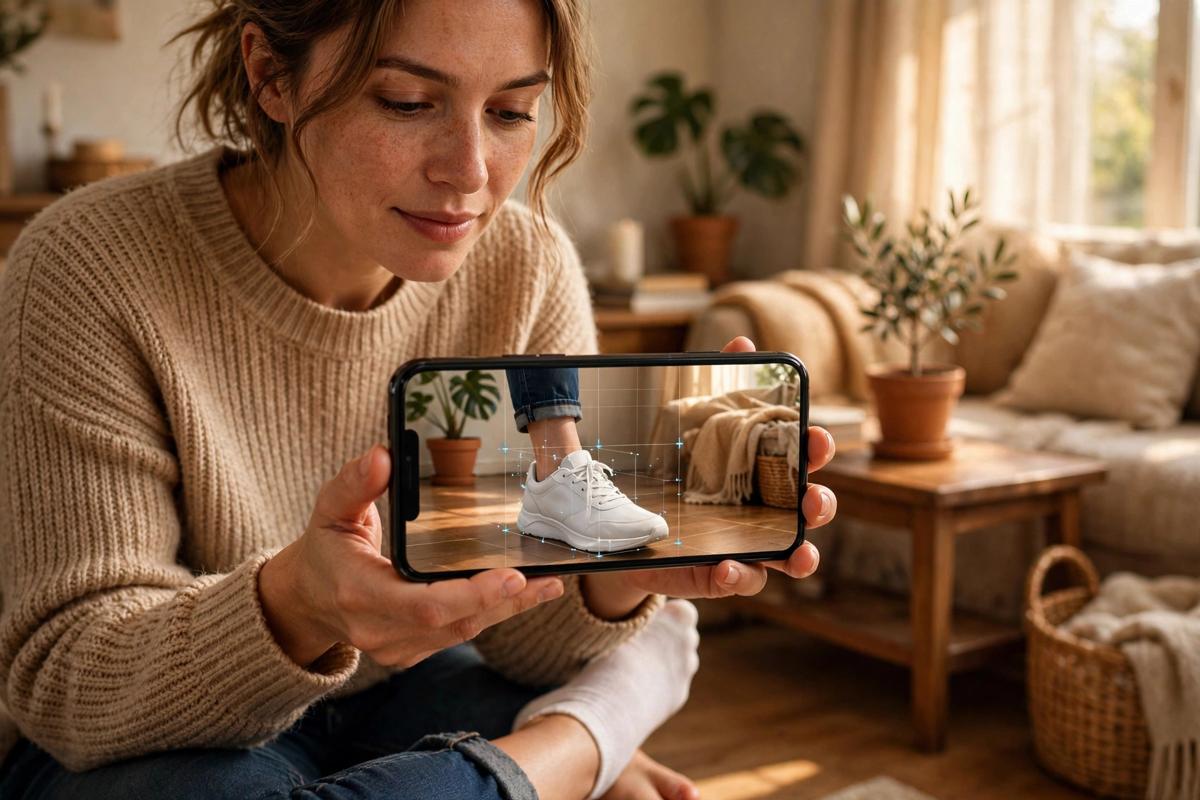
AR try-on answers the one question the photo cannot: how big is this shoe against my own foot. The customer opens the link on their phone, points it at their feet, and sees the shoe at its true size on their own feet, in the light of their own room.
It does not promise fit. Fit is comfort, and no screen can feel comfort. That is the honest line, and we keep it. What AR shows is size and look: the shoe at its real dimensions, compared against your own feet, from the angles you actually see. For summer shoes, where the wrong size rubs on day one, that is the question that decides the sale.
The part your store never touches
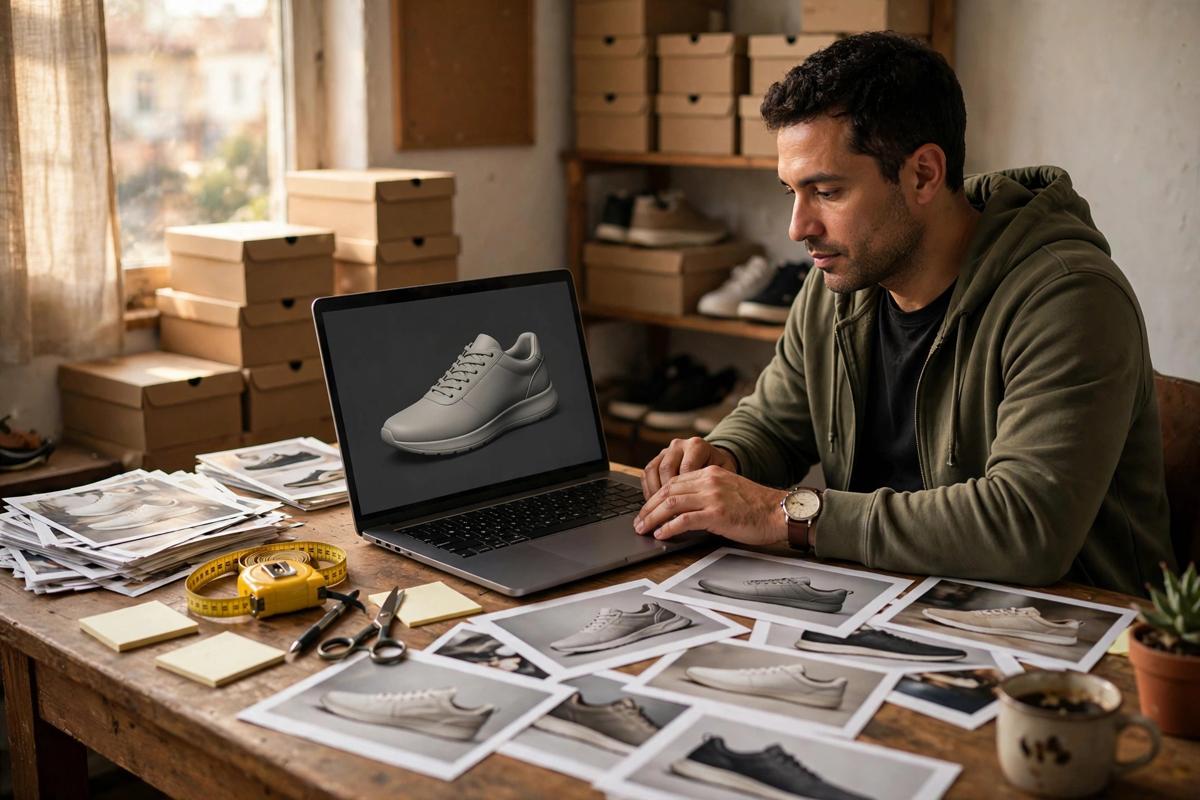
Here is how the done-for-you route works with ARQR360. You send photos of your bestselling shoes, bestsellers first, and their real listed sizes. Our designing department builds true-to-size AR (Augmented Reality) views from them, hosts them, and hands you links and QR codes that open the try-on in your customer's phone browser. No app. No files for you to manage. No modelling project on your calendar.
About seven days from photos to a live set of views. When the next range arrives, you send its photos. The pipeline never stops, because there is nothing in it for you to run.
Where the links go
- Next to the price on every product page. That is where doubt lives. A try-it-on-your-feet link beside the size selector turns a sizing guess into a two-minute answer.
- On the shelf tag in the shop. A QR code on the tag lets a browsing customer check a size at home and come back decided.
- In your Instagram posts and stories. A summer range post with an AR try-on link turns a like into a foot check. That is the step before the sale.
One more number, and it is Shopify's own data, not ours: products with 3D or AR views convert about 94% better than products without. Whichever route a store takes, giving shoppers a true-to-size view beats a flat photo.
For the money side, we worked the full maths in our pricing breakdown for footwear stores. For the photo side, we wrote a guide on how footwear stores photograph shoes for true-to-size AR.
The cheapest way to check if it works for your store
You do not have to commit to anything to find out. Send a photo of your bestselling summer shoe and claim your free AR product. Put it on your own feet, check it against the real shoe, and see if your customers would use it. If it does not convince you, you have spent nothing. Try the live footwear demo first: it opens in your phone browser, no install.
Sandals and light shoes are bought fast and guessed fast. AR for footwear stores covers the size check that keeps summer try-on from becoming summer returns.
FAQ
Does AR try-on show how a shoe fits?
No, and you should be wary of anyone who says it does. Fit is comfort, and comfort cannot be seen on a screen. True-to-size AR try-on shows size and look: the shoe at its real dimensions against your own foot. That is the question that decides most summer shoe returns.
Do my customers need an app?
Not with ARQR360. Each shoe gets a link and a QR code that opens the try-on in the phone browser. Try the live footwear demo on your own phone.
What does AR cost a small shoe store?
It depends on who produces the AR views, which is the biggest cost on most routes. ARQR360 is flat and public: $249 one-time setup and $29 a month, with all AR (Augmented Reality) view production included. The first test view is free.
Try it on your own product, free
Reply with a photo of your bestselling product and we will build you one true-to-size AR model free, to try on your own phone. No commitment.
Get my free model