How Gulf Shoe Stores Cut Festive-Season Size Returns With True-Size AR (Augmented Reality) Try-On
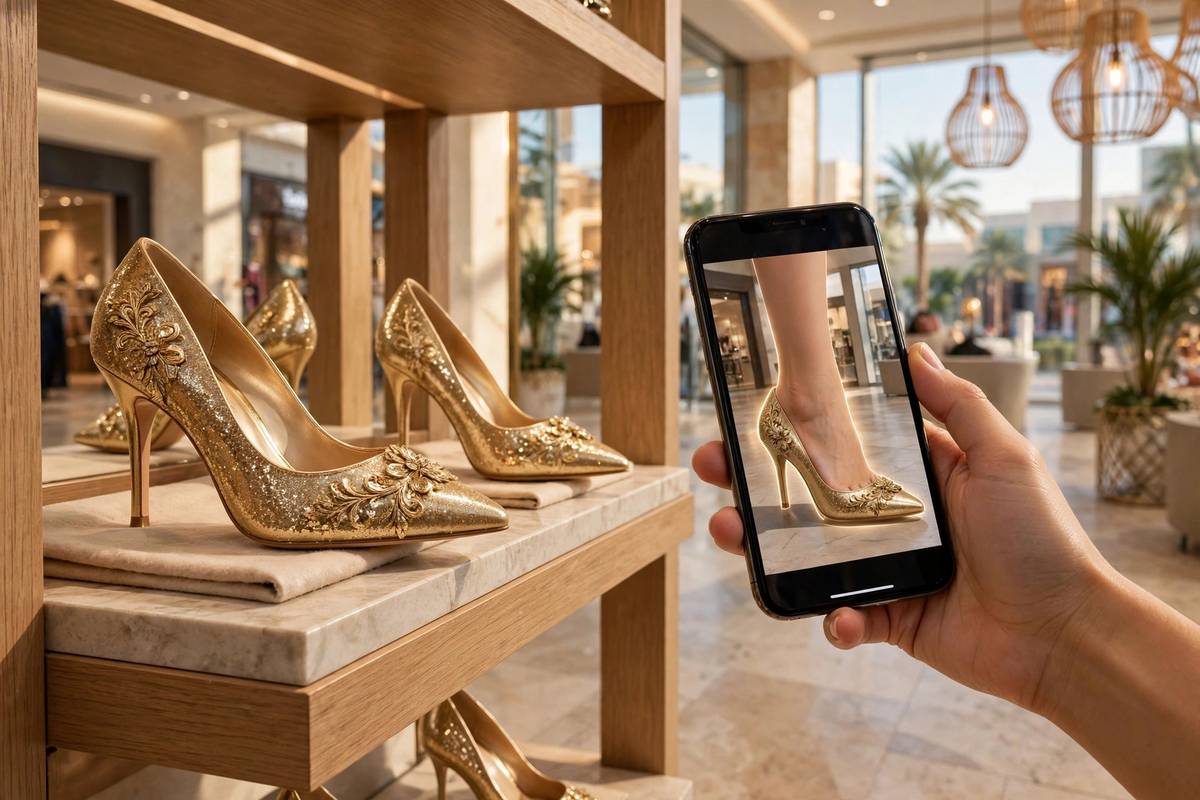
Picture a shoe store owner in Dubai. She sells heels, boots, and sneakers from a shop in the mall and a website that ships across the Gulf. November is when the season turns. National Day sales start, then the Christmas gifting rush, then the party season. Orders spike. And a few weeks later, so do the returns.
Not because the shoes were wrong. Because the sizes were guesses.
This is the honest version.
Why the festive shoe order is a size guess
Festive shoes are bought fast, and often by someone who never tries them on. A man orders a pair of dress shoes for his wife the week before a National Day dinner. A woman in Riyadh buys party heels at midnight from a store in Dubai. A mother sends sneakers to her son studying in Sharjah.
None of them tries the shoe on. They read the size chart, pick the number they think is right, and hope. Shoe sizes run differently between brands and between countries. A UK 6 is not the same as a US 6, and half the buyers in the Gulf shop from UK brands, US brands, and local brands in the same week. The size chart helps. It does not answer the real question: what does this shoe look like, at its true size, on my own foot.
A wrong-size shoe after a festive order is not a small problem. The party date passes, so the customer does not wait for an exchange. They send it back and buy nothing. And in the Gulf the return often crosses a border, which makes the freight cost real.
What true-size AR (Augmented Reality) try-on changes
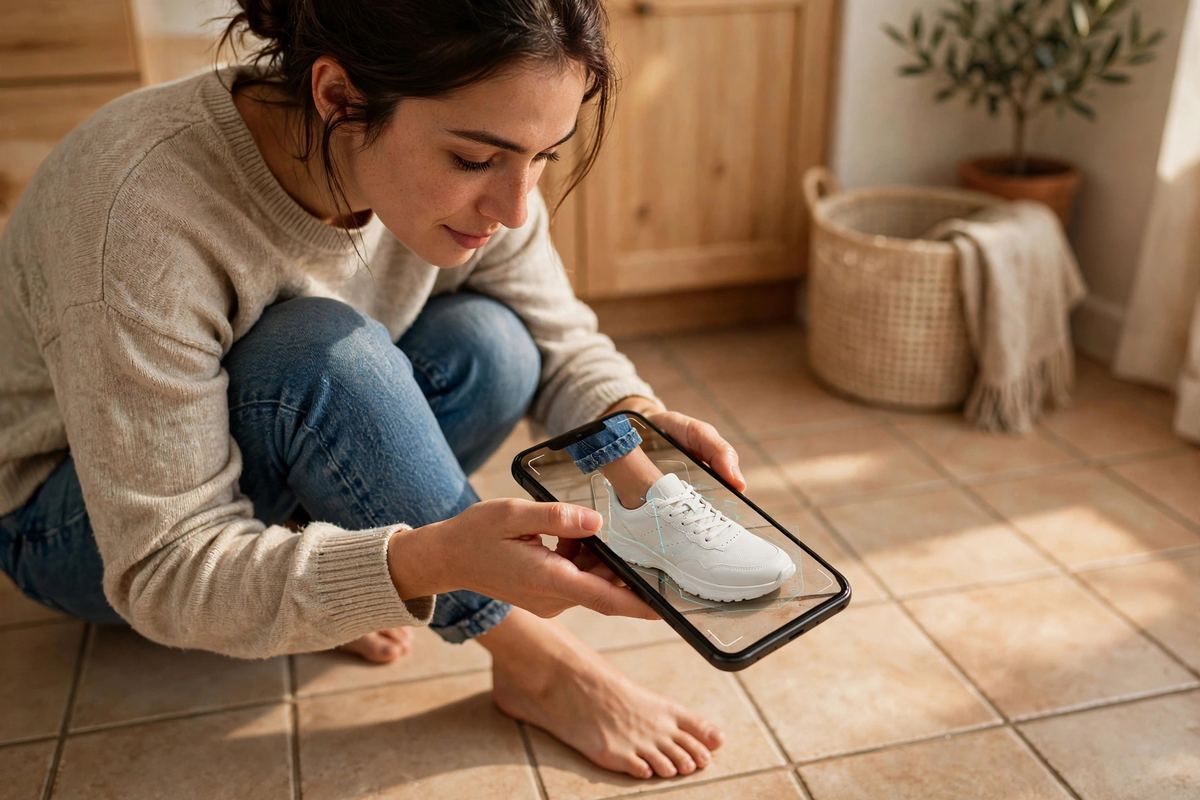
The customer taps the link on your product page. Their phone opens the AR (Augmented Reality) view in the browser, no app to install. They point the camera at their own foot and the shoe appears on it at its true size, checked against the real listed dimensions.
They see the shape on their own foot. They compare the length and width against their own feet. They turn the foot and look from the side. Two minutes, no guessing. A shoe bought with that check is a shoe that stays.
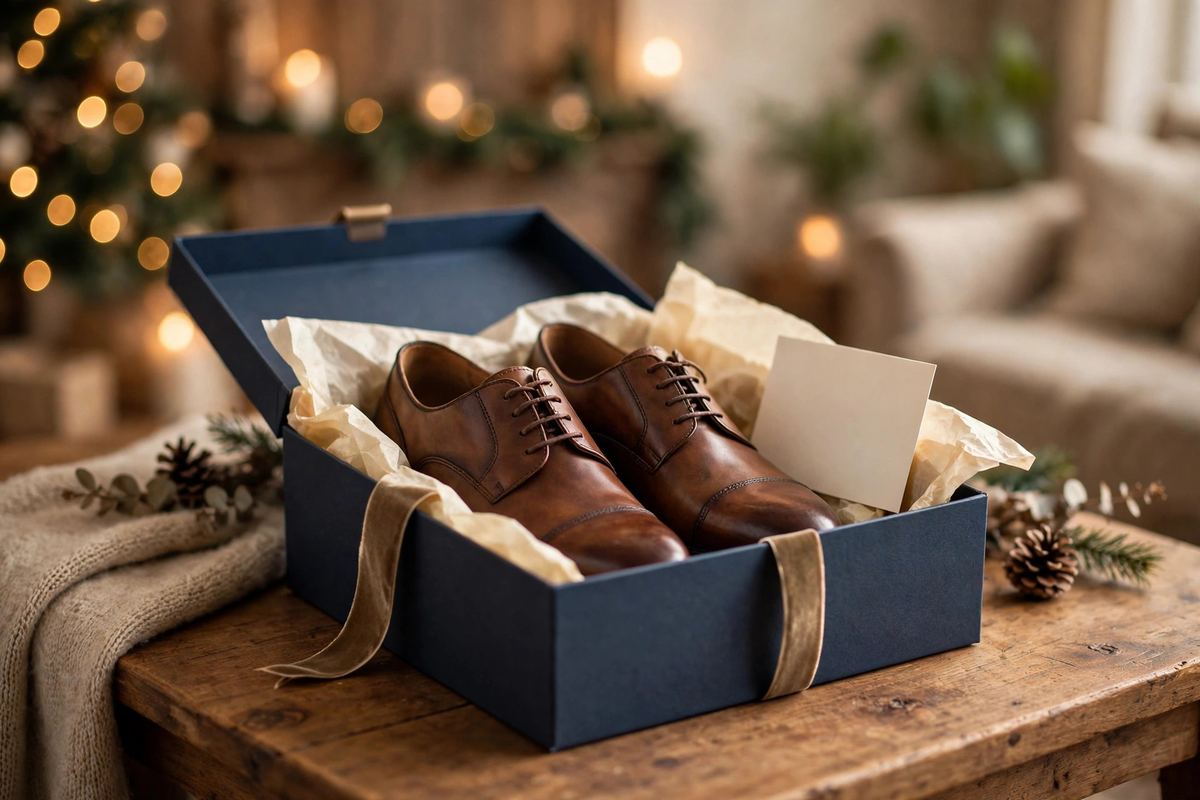
Gift buyers get the same check. The man buying the heels for his wife opens the try-on from his couch and confirms the size against a shoe she already owns, placed beside it on screen. And smart stores now tuck a small card with a QR code in the gift box. The recipient opens it on their own phone and confirms the true size at home before the receipt is even out of the box. Try the live footwear demo on your own phone. It opens in the browser.
Where the links and QR codes go
- Next to the size guide on every product page. That is where the doubt lives. A try-it-on-your-own-foot link beside the size chart turns the number guess into a two minute check.
- In the gift box. A small card with a QR code costs almost nothing and stops the gift-box exchange before it starts.
- In your chat threads. A lot of Gulf shoe buying happens through Instagram DMs and WhatsApp. An AR (Augmented Reality) link shared in the thread answers the size question without a store visit.
- On the in-store tag. A QR code on the shelf tag lets the browsing customer check the rest of your range on their own feet without waiting for their size to be found.
One honest number
Shopify reports that products with 3D or AR views convert about 94% better than products without. That is Shopify's own data, not ours. For a shoe store in the festive rush, the effect runs both ways. Confident buyers buy, and buyers who checked the true size send fewer shoes back.
A done-for-you service, not a software project
Here is how it works with ARQR360. You send photos of your bestselling styles and their real listed dimensions. Our designing department produces true-to-size AR (Augmented Reality) views from them and checks every one against the listed dimensions before it ships. A view that is even slightly off teaches the customer the tool cannot be trusted. Your first AR (Augmented Reality) view is free, so you can check it on your own foot yourself.
No app for your customers to install. No files to manage on your side. About seven days from photos to a live catalogue. Each style gets a link and a QR code that opens the AR (Augmented Reality) view in the phone browser. The price is flat and public: $249 one-time setup and $29 a month, with all AR (Augmented Reality) view production included.
For the photography side of the same story, read how footwear stores photograph shoes for true-size AR.
The cheapest way to check if it works for your store
You do not have to commit to anything to find out. Send a photo of your bestselling shoe and we will build you one true-size AR (Augmented Reality) view free. Put it on your own foot, hold it against the real shoe, and see if your customers would use it. If it does not convince you, you have spent nothing. Try the live footwear demo first: it opens in your phone browser, no install.
Festive peaks magnify the ordinary problem: more orders, more size guesses, more returns. The full breakdown sits in how shoe stores cut size returns with AR.
FAQ
Do my customers need an app to try the shoes on?
No. Each style gets a link and a QR code that opens the AR (Augmented Reality) view in the phone browser. Try the live footwear demo on your own phone. Nothing to install.
Does AR show how the shoe fits?
No, and be careful with anyone who promises that. AR cannot tell a shopper how a shoe feels on their foot. What it does show, honestly, is the true size: the shape, length, and proportions on their own foot before they buy. That is the part that stops size guesses.
What do you need from my store to start?
Photos of your bestselling styles and their real listed dimensions. That is it. Our designing department produces the true-to-size AR (Augmented Reality) views and hands back links and QR codes in about seven days. The first view is free.
Try it on your own product, free
Reply with a photo of your bestselling product and we will build you one true-to-size AR model free, to try on your own phone. No commitment.
Get my free model